Kevin Fitzgibbon

Kevin Fitzgibbon

I build software, AI, and workflow systems that help industrial teams work more safely, efficiently, and reliably.

Over 11+ years in manufacturing, I have led automation, robotics, capital programs, and digital workflow initiatives for frontline teams. Today, I focus on product work in industrial software, AI, and connected systems, building tools that solve real problems in operating environments.

  • 11+ years in industrial operations
  • Capital projects, automation, and connected systems
  • Built AI workflow products for maintenance teams
  • Focused on safe adoption, reliability, and throughput

Featured Work

AI workflow product

Wrench Scribe

AI assistant for maintenance teams that turns rough notes and voice input into structured, CMMS-ready work orders.

  • Makes work order drafting faster and easier for technicians in the field
  • Improves maintenance data quality and consistency for downstream reliability decisions
  • Built independently from 0 to 1, then cut response time from 9.0s to 3.1s and cost per request by 70% while maintaining reliable output.
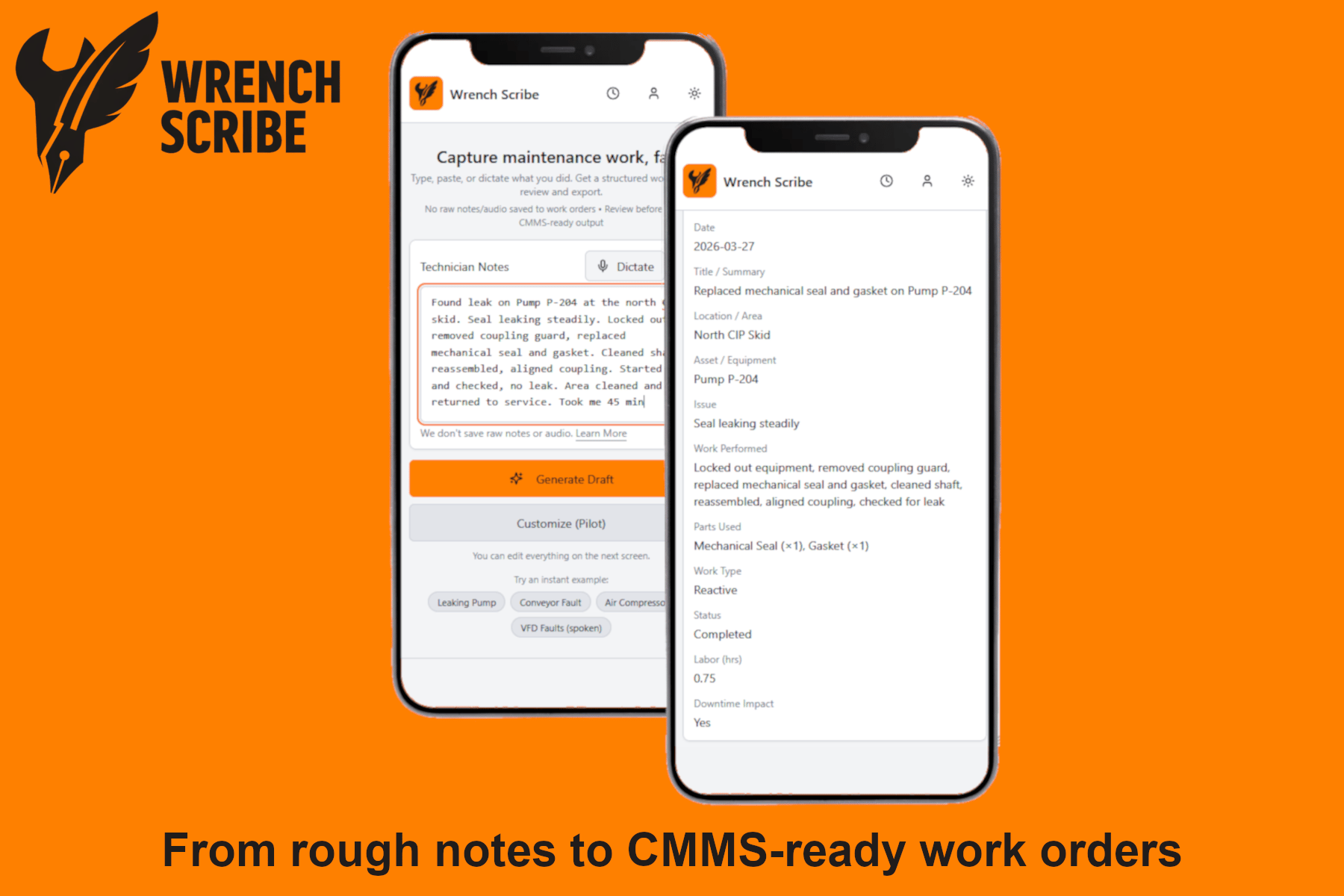
Wrench Scribe maintenance workflow product visual

Robotics / automation

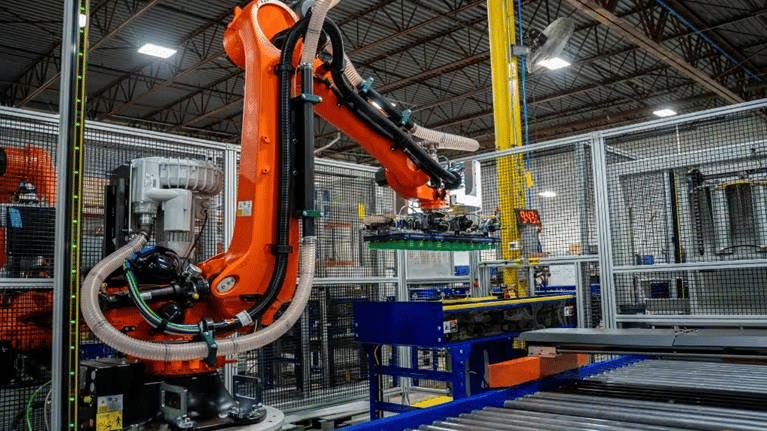
Multi-Site Robotic Packaging Systems

Rolled out new robotic packaging, palletizing, and depalletizing systems across multiple manufacturing sites to improve reliability, safety, and line performance.

  • Set the deployment roadmap around reliability-critical functionality first, then chose pilot and follow-on sites based on operational fit and ROI potential
  • Aligned operators, maintenance, engineering, supply chain, and leadership around phased rollouts that reduced risk
  • The initial implementation reduced downtime by about 2 hours per day, allowed for new SKU production, and supported a business case with estimated 50% IRR on roughly $2M investment
Robotic Palletizing System visual

Digital workflow systems

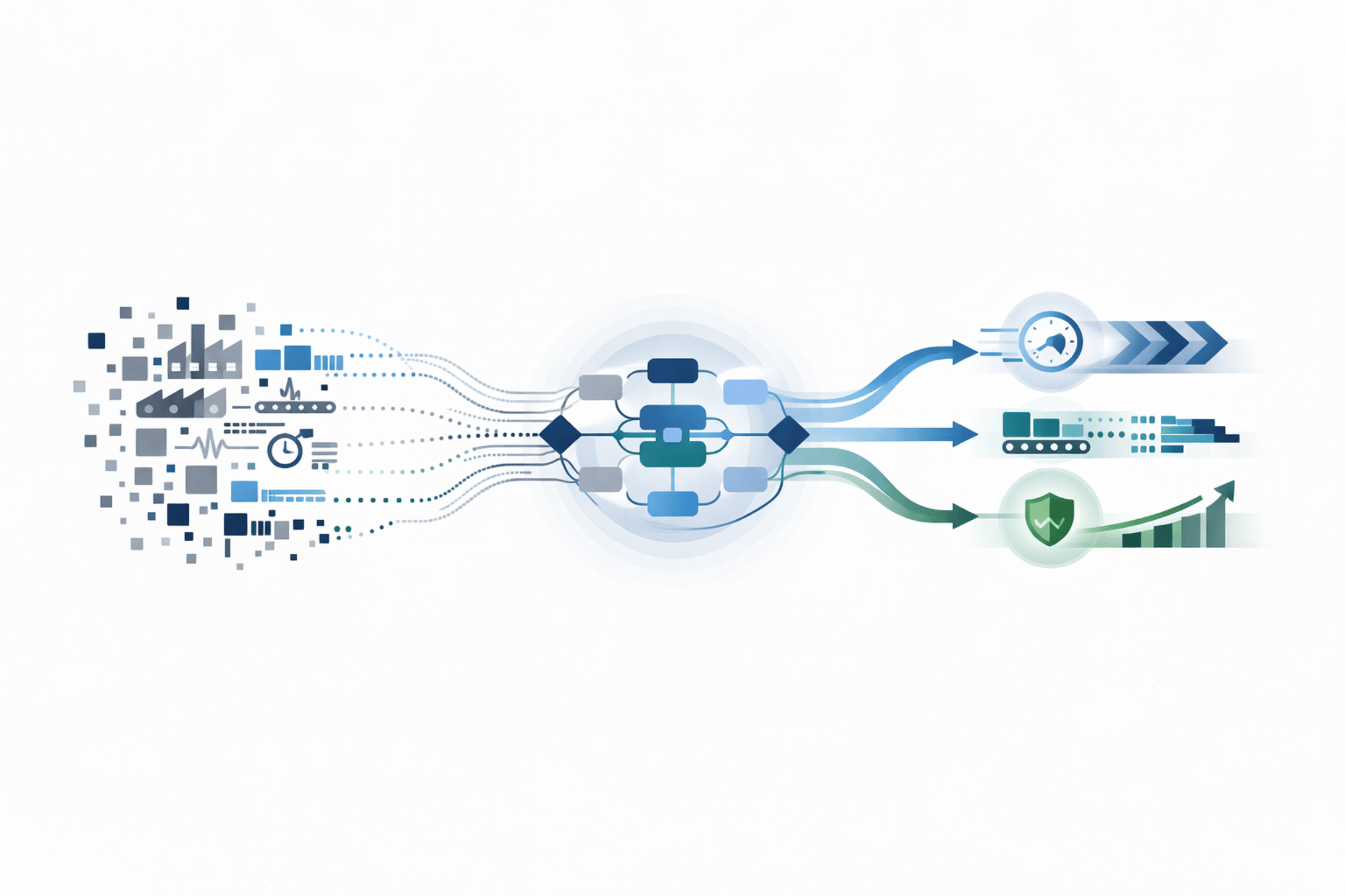
Digital Factory Workflow Tools

Digital workflow tools for manufacturing teams that turned plant data into faster, safer, and more reliable operating decisions.

  • Started from real operator and scheduler workflows, then translated those needs into requirements, pilots, and rollout decisions
  • Cut changeover time from about 40 minutes to 20 minutes on a pilot line, unlocking roughly 2 to 3 productive hours per day
  • Used shared bottleneck data to improve throughput decisions, helping drive roughly 20% additional output before long-term capex landed
Digital factory workflow systems visual